

 Send Inquiry
 07313726746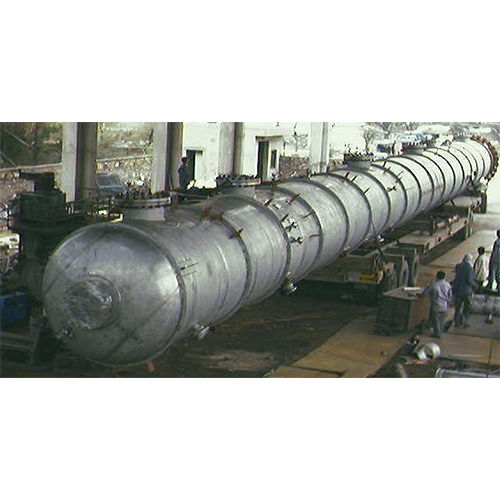
Industrial Heat Exchangers
Product Details:
X
Industrial Heat Exchangers Price And Quantity
- 1 Unit
- Stainless Steel
- Stainless Steel, Copper, Titanium
- Counter Flow / Parallel Flow / Cross Flow
- Industrial Use
- Silver
- New
- Carbon Steel / Stainless Steel
- Horizontal or Vertical
- Up to 16 bar
- Flanged / Threaded
- Industrial Heat Exchangers
- Heat Exchanger
- Yes
- Customizable as per requirement
- Tube Heat Exchanger
- Up to 350°C
Industrial Heat Exchangers Trade Information
- 10 Unit Per Month
- 30 Days
Product Description
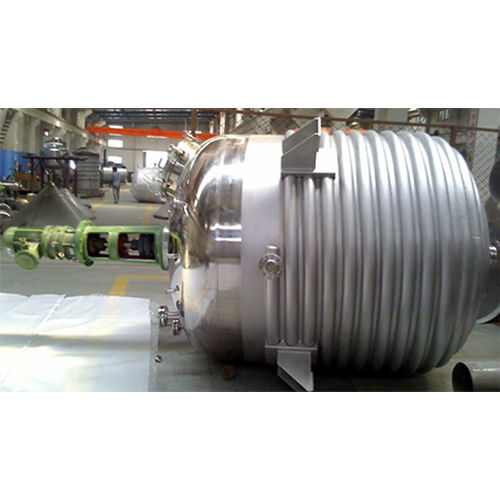
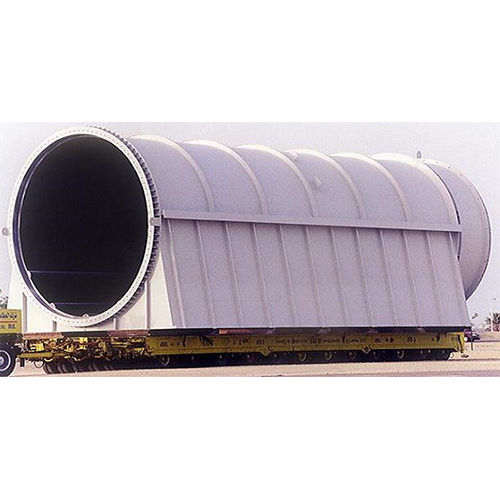
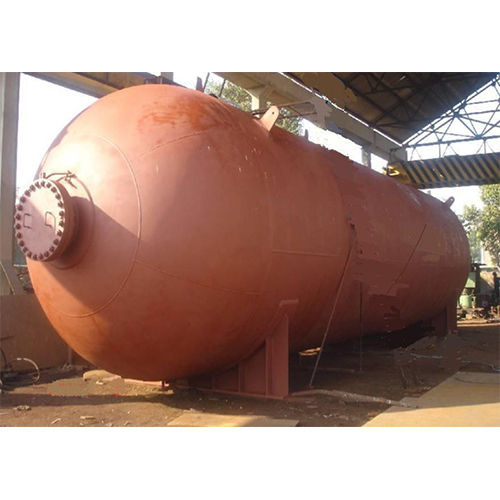
Calorie HNT design, manufacture, supply and install following shop fabricated equipments. The material of construction of equipments are in accordance with the project requirement or as specified by the client. These equipments are being manufactured under stringent quality checks either by our own quality department or by third party inspection agencies.
- Pressure Vessels
- Flare Stack
- Heat Exchanger
- Reactors
- Columns
- Storage Tanks
- Valve skids
- Piping Spool
- Scrubbers
- Packaged Systems
- Dish ends
- Many more
Tailored Engineering Solutions
Our industrial heat exchangers come with customizable heat transfer areas and multiple tube material options, including stainless steel, copper, and titanium. With flexible mounting-horizontal or vertical-they are adaptable to diverse industrial processes and space requirements. Each unit is specially designed to optimize performance under your specific operational conditions.
Exceptional Durability and Corrosion Resistance
Manufactured with high-quality materials such as stainless steel tubes and carbon steel shells, our heat exchangers deliver robust corrosion resistance. They are built for high operating pressures up to 16 bar and temperatures reaching 350C, ensuring safe and reliable operation even in the toughest industrial settings.
FAQ's of Industrial Heat Exchangers:
Q: How is the heat transfer area of these industrial heat exchangers determined?
A: The heat transfer area can be fully customized according to your specific process requirements. Our engineering team evaluates your operational parameters and application needs to recommend the optimal area for enhanced efficiency.Q: What types of flow arrangements are supported by these heat exchangers?
A: We provide counter flow, parallel flow, and cross flow options. Each arrangement is suited for particular heat transfer requirements, allowing us to meet varied industrial applications effectively.Q: When should I choose stainless steel, copper, or titanium tubes?
A: Tube selection depends on media compatibility, required corrosion resistance, and operational temperature. Stainless steel is ideal for general applications, copper for superior thermal conductivity, and titanium for highly corrosive or demanding environments.Q: Where are these heat exchangers typically installed within industrial settings?
A: These units are commonly installed in process plants, manufacturing facilities, chemical processing units, and other industrial sites requiring reliable thermal exchange-either horizontally or vertically, depending on space and process flow.Q: What is the general process for ordering a customized heat exchanger?
A: You begin by sharing your technical specifications and operational needs with our team. We assess the requirements and design a heat exchanger tailored to your parameters, then handle manufacturing, quality testing, and delivery.Q: How do these heat exchangers benefit my industrial operation?
A: You benefit from enhanced energy efficiency, optimal heat transfer, and reliable long-term performance due to their robust construction and customizable features, ultimately improving your process effectiveness and reducing maintenance costs.Tell us about your requirement

Price:
Quantity
Select Unit
- 50
- 100
- 200
- 250
- 500
- 1000+
Additional detail
Mobile number
Email

Other Products in 'Pressure Vessel, Tanks, Reactors, Heat Exchanger' category

Contact Details

- 303, Third Floor, No A-19, Street No-03, Guru Nanak Pura, Laxmi Nagar,Delhi - 110092, India
- Phone : 07313726746
CALORIE HNT PRIVATE LIMITED
GST : 07AAECC8401C1Z5
GST : 07AAECC8401C1Z5

- Mr R K Soni (Business Development)
- Mobile : 07313726746
- support@caloriehnt.com
- Mobile Number : 918506069700
Email Id : support@caloriehnt.com

 Send Inquiry
 Send SMS
 Call Me Free
CALORIE HNT PVT. LTD.
All Rights Reserved.(Terms of Use)
Developed and Managed by Infocom Network Private Limited.
Developed and Managed by Infocom Network Private Limited.

